.png)
Cupping Therapy Insights: Exploring the Benefits of Cupping Therapy
Updated: May 10
If you’ve ever been curious about ancient healing methods that blend seamlessly with modern wellness, cupping therapy might just be the fascinating practice you want to explore. I’ve spent quite some time diving into this holistic treatment, and I’m excited to share what I’ve learned about its benefits, how it works, and why it’s gaining traction in places like Downtown Seattle. Whether you’re seeking relief from chronic pain, a boost in circulation, or simply a new way to relax, cupping therapy offers a unique approach worth considering.
What Is Cupping Therapy? A Quick Dive into Cupping Therapy Insights
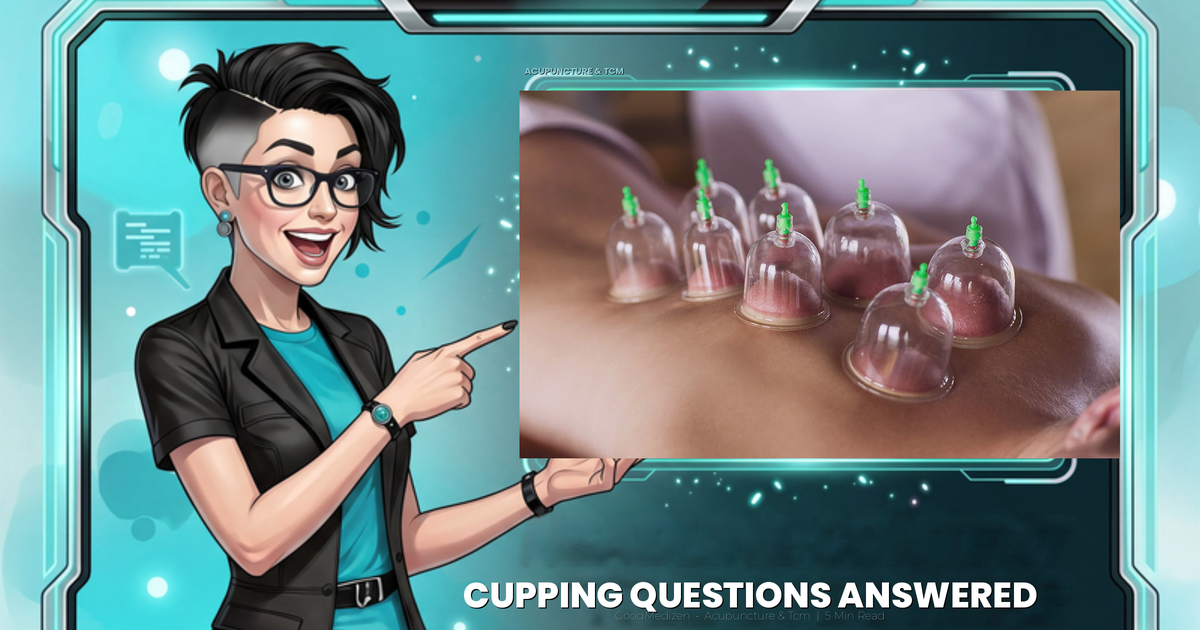
Cupping therapy is an ancient form of alternative medicine that involves placing cups on the skin to create suction. This suction is believed to mobilize blood flow, promote healing, and reduce muscle tension. The cups can be made of glass, bamboo, silicone, or plastic, and the suction can be created by heat or mechanical devices.
The science behind cupping is quite intriguing. When the skin is pulled upward into the cup, it increases blood circulation to the area. This enhanced blood flow can help relieve muscle tightness, improve tissue repair, and stimulate the lymphatic system to remove toxins. It’s like giving your body a gentle nudge to heal itself.
Many people report feeling deeply relaxed after a session, and some even describe a sense of mental clarity. The marks left by the cups—often circular bruises—are a sign of increased blood flow and usually fade within a week or two.

The Science-Backed Benefits of Cupping Therapy
Let’s get into the nitty-gritty of why cupping therapy is more than just a trendy wellness fad. Scientific studies and clinical observations have highlighted several benefits that make cupping a valuable addition to holistic healthcare.
1. Pain Relief and Muscle Relaxation
One of the most common reasons people try cupping is for pain relief. Whether it’s chronic back pain, neck stiffness, or sports injuries, cupping can help reduce muscle tension and inflammation. The suction effect increases blood flow, which helps flush out metabolic waste and brings oxygen-rich blood to the affected tissues.
For example, athletes often use cupping to speed up recovery after intense workouts. The therapy can reduce delayed onset muscle soreness (DOMS), allowing them to bounce back faster.
2. Improved Circulation and Detoxification
Cupping stimulates the microcirculation of blood and lymphatic fluids. This enhanced circulation helps the body eliminate toxins and supports immune function. By promoting lymphatic drainage, cupping can reduce swelling and improve skin health.
3. Stress Reduction and Mental Clarity
The relaxing sensation during and after cupping therapy can help lower stress hormones like cortisol. Many people report feeling calmer and more centered, which is essential for overall well-being. The therapy’s ability to release muscle tension also contributes to a sense of mental ease.
4. Respiratory Health Support
Cupping has been traditionally used to help with respiratory issues such as asthma, bronchitis, and congestion. The suction can help loosen mucus and improve airflow, making breathing easier.
5. Skin Health and Aesthetics
Beyond internal benefits, cupping can improve skin tone and texture by increasing blood flow and stimulating collagen production. Some natural aesthetics practitioners use cupping as part of facial treatments to reduce puffiness and promote a youthful glow.
If you’re curious about how cupping might fit into your wellness routine, you might want to explore more about cupping questions and benefits to get a comprehensive understanding.

Is Cupping Therapy Good for Pregnancy?
Pregnancy is a special time when many women seek safe, natural ways to manage discomfort and promote well-being. So, is cupping therapy a good option during pregnancy?
The answer is nuanced. Generally, cupping therapy can be beneficial for pregnant women, especially for relieving back pain, muscle cramps, and swelling. However, it’s crucial to approach this therapy with caution and under the guidance of a qualified practitioner who understands prenatal care.
Certain areas of the body should be avoided during pregnancy, such as the abdomen and lower back, as we follow concepts of intention and we don't want to invigorate blood and create movement in that area. Instead, cupping can be gently applied to the upper back, shoulders, and legs to provide relief.
Many pregnant women find that cupping helps reduce stress and improve sleep quality, which are vital during this time. But always consult your healthcare provider before starting any new treatment during pregnancy.
How to Prepare for Your First Cupping Therapy Session
If you’re ready to give cupping therapy a try, here are some practical tips to make your first experience smooth and enjoyable:
Choose a Qualified Practitioner: Look for someone trained in both cupping and holistic health. This ensures safety and personalized care.
Communicate Your Health History: Be open about any medical conditions, medications, or allergies.
Avoid Heavy Meals and Alcohol: It’s best to come to your session on a light stomach and well-hydrated.
Wear Comfortable Clothing: Loose clothes make it easier to access treatment areas.
Relax and Breathe: The therapy is generally painless, but you might feel a pulling sensation. Deep breathing helps you stay calm.
After your session, take a binder with plenty of water to help flush out toxins and avoid strenuous exercise for at least 24 hours.
Integrating Cupping Therapy into a Holistic Wellness Routine
Cupping therapy works best when combined with other holistic practices. Here’s how you can integrate it into your health journey:
Pair with Acupuncture: Both therapies complement each other by targeting energy flow and circulation.
Incorporate Microneedling: For skin health, combining cupping with microneedling can enhance collagen production.
Adopt Natural Medicine: Use herbal supplements and nutrition to support the healing process.
Practice Mindfulness and Meditation: Stress reduction amplifies the benefits of cupping.
Regular Sessions: Consistency is key. Schedule sessions based on your health goals and practitioner’s advice.
By embracing this integrative approach, you empower your body to heal naturally and maintain balance.
What to Expect After a Cupping Session
Post-cupping, you might notice circular marks or bruises where the cups were placed. These are normal and indicate increased blood flow. The marks usually fade within 7 to 14 days.
Some people feel energized, while others might experience mild fatigue or soreness. This is your body’s way of adjusting and healing. Drinking water and resting can help ease any discomfort.
If you experience severe pain, dizziness, or prolonged bruising, contact your healthcare provider immediately to discuss causes and remedies.
Final Thoughts on Embracing Cupping Therapy
Exploring cupping therapy opens a door to a world where ancient wisdom meets modern science. It’s a gentle yet powerful tool that can enhance your health, relieve pain, and promote relaxation. Whether you’re dealing with chronic issues or simply want to try something new, cupping offers a personalized, holistic approach.
Remember, the key to success with cupping lies in finding a skilled practitioner and integrating the therapy into a broader wellness plan. With the right guidance, you can unlock the profound benefits of this time-tested healing art.
If you’re ready to embark on this journey, consider reaching out to a trusted holistic healthcare provider who can tailor the experience to your unique needs. Your body will thank you for it.

Comments